
Governing Body
Governing body definition of an INDIAN society
Governing Body in the context of a society registered under the Societies Registration Act, 1860, refers to the group of individuals entrusted with managing the society’s affairs.
More specifically, the Societies Registration Act, 1860 defines it as:
- “The governors, council, directors, committee, trustees, or other body to whom by the rules and regulations of the society the management of its affairs is entrusted.”
This means that the Governing Body is the principal decision-making and administrative unit responsible for:
- Day-to-day operations: Managing the society’s regular activities.
- Financial oversight: Handling the society’s funds and finances.
- Policy implementation: Carrying out the policies and objectives outlined in the society’s Memorandum of Association.
- Legal compliance: Ensuring adherence to the Societies Registration Act and other relevant laws, including filing annual returns with the Registrar of Societies.
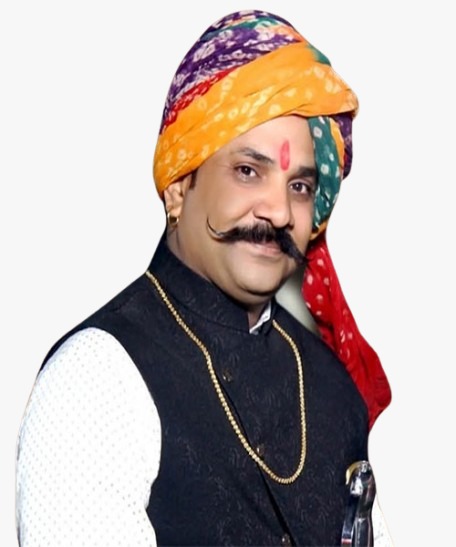
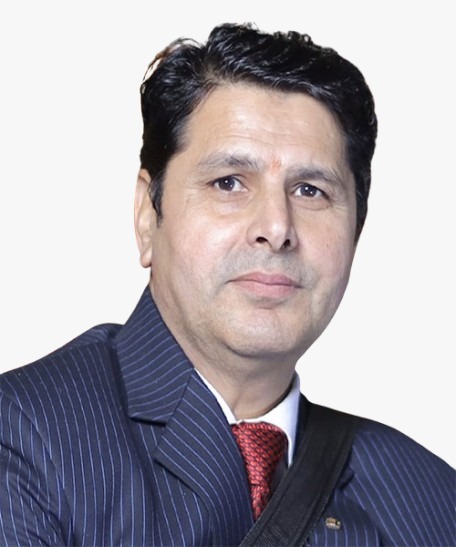
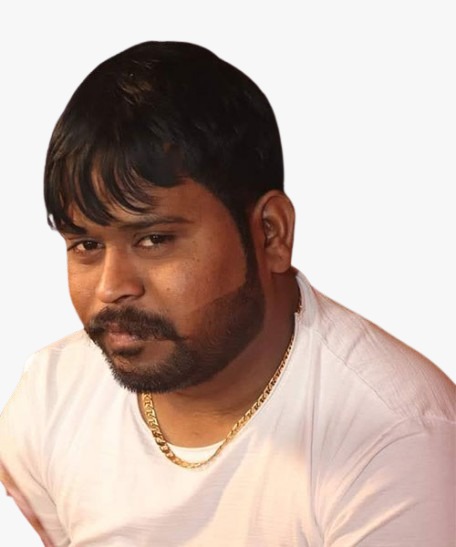
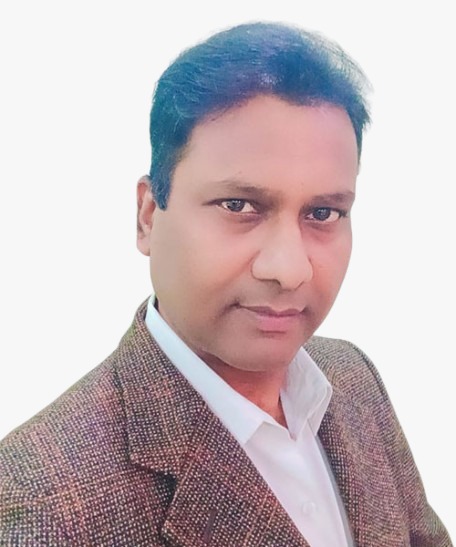
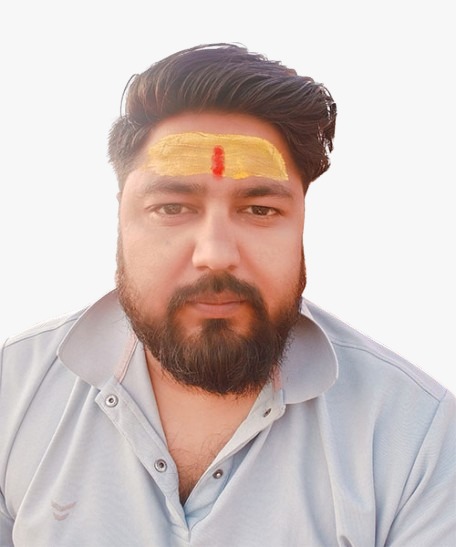
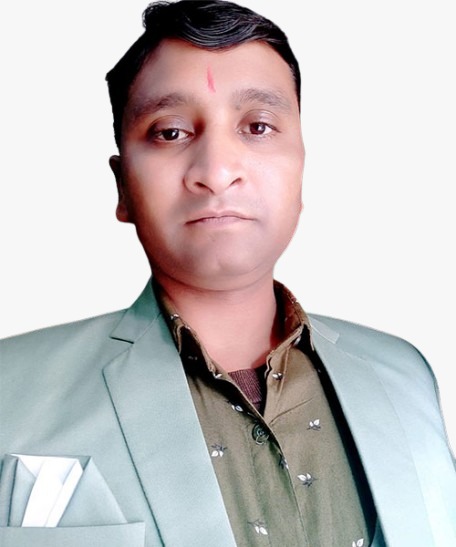
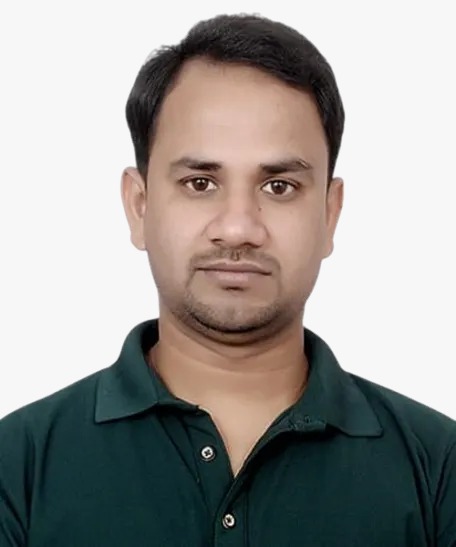
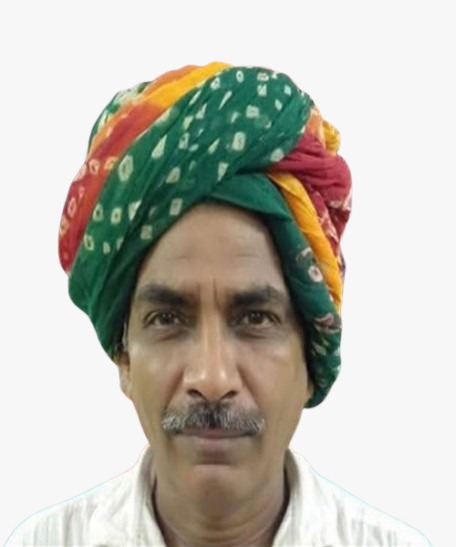
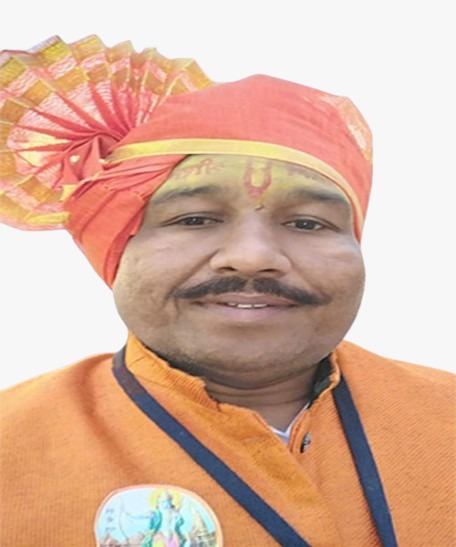
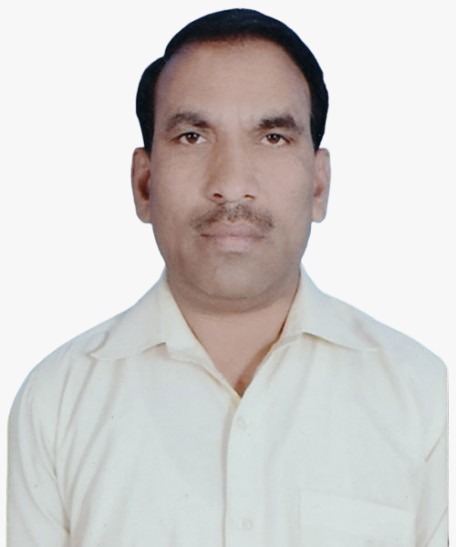
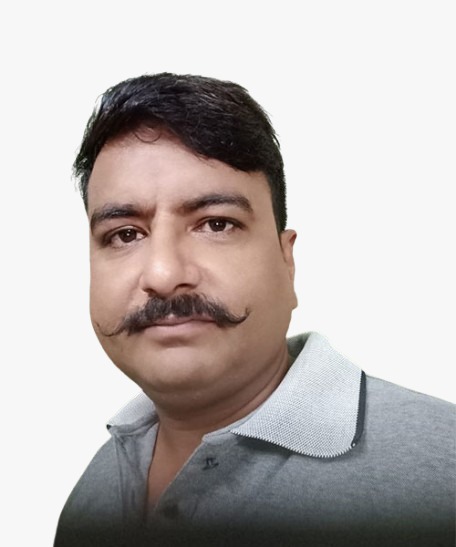
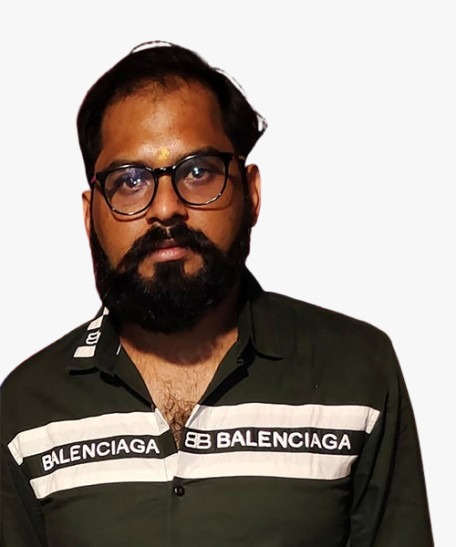
List of Governing Body
S.No. | Post | Name |
|---|---|---|
1 | President | SH. GYAN PRAKASH |
2 | Vice President | SH. UMESH TYAGI |
3 | General Secretary | SH. VIJAY RANA |
4 | Secretary | SH. RAJ KUMAR |
5 | Joint Secretary | SH. VEER SINGH |
6 | Treasrer | SH. OM PRAKASH |
7 | Sub-Treasrer | SH. MANOJ GUPTA |
8 | Member | SH. DHEER SINGH |
9 | Member | SH. ROHTAS |
10 | Member | SH. PRAVESH KUMAR |
11 | Member | SH. SANDEEP KUMAR |
12 | Member | SH. ARJUN DS |
13 | Member | SH. ARJUN SISODIA |
The Governing Body is typically elected by the General Body (the broader group of all members of the society) at regular intervals, fostering a democratic and participative management structure. The specific composition and roles within the Governing Body (e.g., President, Secretary, Treasurer) are defined in the society’s rules and regulations.
In essence, the Governing Body is the executive arm of a registered Indian society, responsible for its overall management, administration, and legal compliance.
In an Indian society, the governing body is the group of individuals entrusted with the management of the society’s affairs. This body is responsible for making policy decisions, guiding the society’s activities, and ensuring its proper functioning. It is essentially the decision-making authority within the organization.
Here’s a more detailed breakdown:
Periodic Meetings: The governing body typically meets periodically to discuss and decide on various matters related to the society’s operations.
Management: The governing body oversees the day-to-day operations, finances, and overall direction of the society.
Policy Decisions: This body makes crucial decisions regarding the society’s policies, strategic direction, and future plans.
Elected/Appointed: The governing body is typically comprised of elected or appointed office bearers, such as a president, secretary, and treasurer, who are responsible for specific functions within the organization.
Accountability: The governing body is accountable for the society’s actions and decisions, ensuring they align with the society’s objectives and legal framework.

Working Committee
Working Committee in Indian Societies: Understanding its Role
In the context of societies registered under the Societies Registration Act, 1860, a Working Committee (also frequently referred to as an Executive Committee or even the Governing Body) is a key administrative body responsible for the practical implementation of the society’s objectives and managing its daily affairs.
Here’s a breakdown of its typical characteristics:
1. Executive Authority: The Working Committee acts as the executive arm, carrying out the decisions and policies set by the broader General Body (which includes all members of the society).
2. Management of Affairs: Its primary function is to handle the day-to-day administration of the society, including:
- Financial management, including collecting fees, preparing budgets, coordinating audits, and managing reserve funds.
- Property upkeep and maintenance.
- Ensuring legal compliance and submitting necessary reports to the Registrar of Societies.
- Addressing member-related issues like admissions, resignations, and grievances.
3. Composition: The specific composition of the Working Committee is detailed in the society’s bye-laws or rules and regulations. It typically includes key office bearers like a:
- Chairman/President: Who leads meetings and may have decisive voting power.
- Secretary: Responsible for organizing meetings, maintaining records, and communication.
- Treasurer: Who oversees financial transactions and documentation.
4. Accountability: The Working Committee is accountable to the General Body and must operate within the framework established by the society’s constitution and resolutions passed at General Body meetings.
5. Relationship with Governing Body: While “Working Committee” and “Governing Body” are often used interchangeably, it’s crucial to consult the individual society’s bye-laws to understand the exact relationship. In some societies, the Governing Body might be the overarching authority, with the Working Committee acting as a delegated sub-committee with specific responsibilities. The Indian National Congress provides an example, where the Working Committee (CWC) is the executive committee, responsible for implementing policies and guiding the party’s activities, under the direction of the party president.
List of Working Committee
S.NO. | POST | NAME |
|---|---|---|
1 | CHAIRMAN | SH. MAAN SINGH SISODIA JI |
2 | CHAIRMAN | SH. RAVI SINGH JI |
3 | PATRON | SH. DHEER SINGH JI |
4 | PRESIDENT | SH. GYAN PRAKASH |
5 | VICE PRESIDENT | SH. UMESH TYAGI |
6 | VICE PRESIDENT | SH. ROHTAS SISODIA |
7 | VICE PRESIDENT | SH. PRAVESH SAINI |
8 | VICE PRESIDENT | SH. ARJUN SISODIA |
9 | GEN. SECRETARY | SH. VIJAY RANA |
10 | SECRETARY | SH. SANDEEP BANSIWAL |
11 | TREASURER | SH. UMESH SHARMA |
12 | SUB TREASURER | SH. OM PRAKASH |
13 | SUB TREASURER | SH. MANOJ GUPTA |
14 | CHIEF-ADVISOR | SH. RAJ KUMAR |
15 | MARKETING-HEAD | SH. ARJUN DS |
16 | SECRETARY | SH. VEER SINGH |
17 | MIDEA Incharge | SH. SURENDR MATHUR |
18 | SECURITY-HEAD | SH. PAWAN BANSIWAL |
19 | JOINT SECURITY-HEAD | SH. HARISH BANSIWAL |
20 | MEMBER | SH. LALIT GUPTA |
21 | MEMBER | SH. GHANSHYAM DHIMAN |
22 | MEMBER | SH. VINOD TYAGI |
23 | MEMBER | SH. MAYANK TYAGI |
24 | MEMBER | SH. HARISH SISODIA |
25 | MEMBER | SH. ANKIT BANSIWAL |
26 | MEMBER | SH. ANIL BHARDWAJ |
27 | MEMBER | SH. DINESH MAHATO |
Important Note: The powers and responsibilities of a Working Committee are derived from the society’s bye-laws and regulations, and any actions taken beyond these defined powers may be deemed ultra vires (beyond the powers) and potentially void.
Our Achievements
Under Development
Our Social & Public Activity Programs
Under our Public activity a contest named “Open challenge 2025” is organizing with the cooperation of RR Academy. Where’s the participant can register themselves and win assured winner prize of 1000/-. Two runner up prize worth 500/- each also given on the stage of Ramlila 2025.